Kelly Haubrich Physiotherapy provides
holistic, evidence-based assessment and treatment of sports injuries and neuromusculoskeletal conditions.

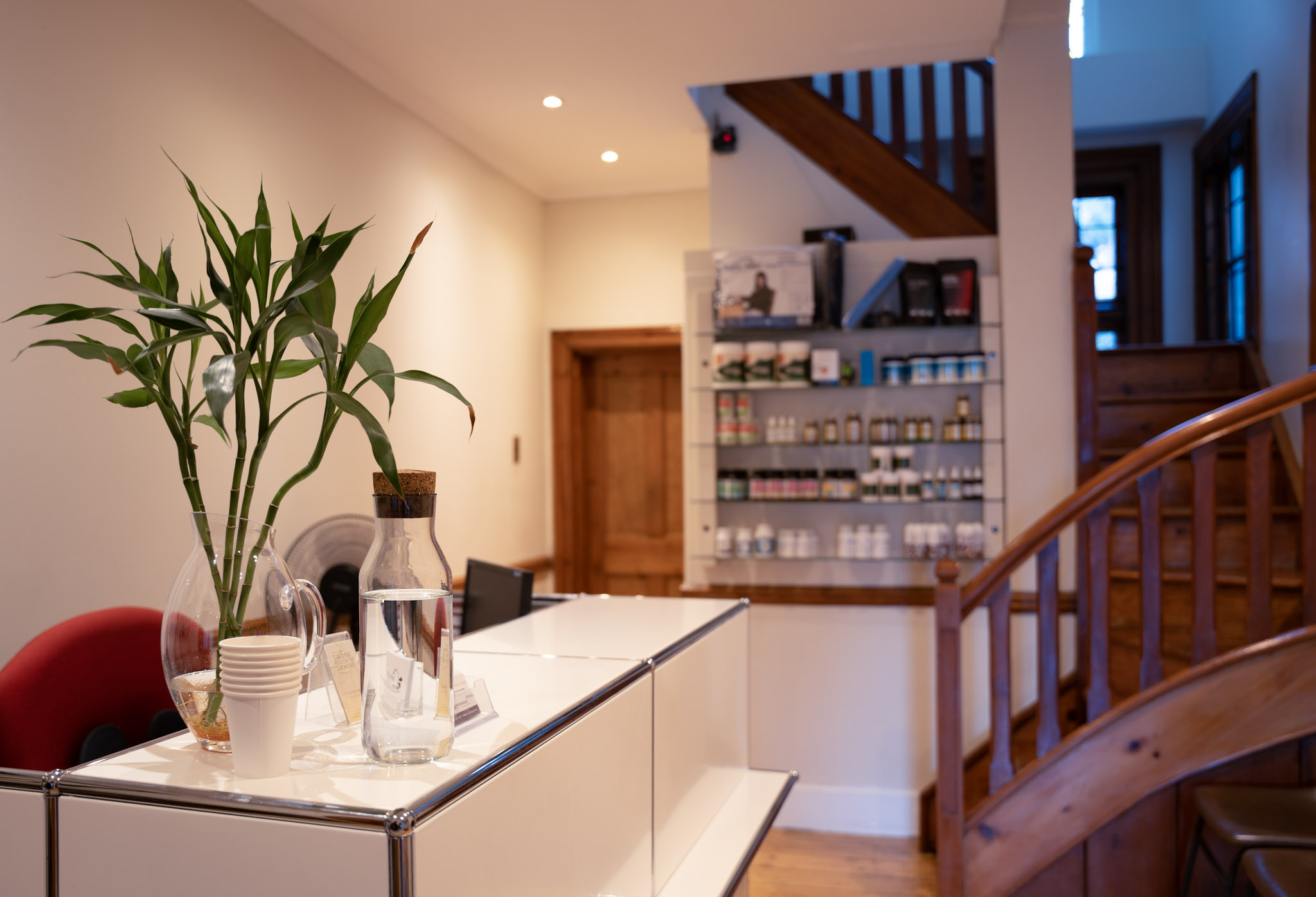
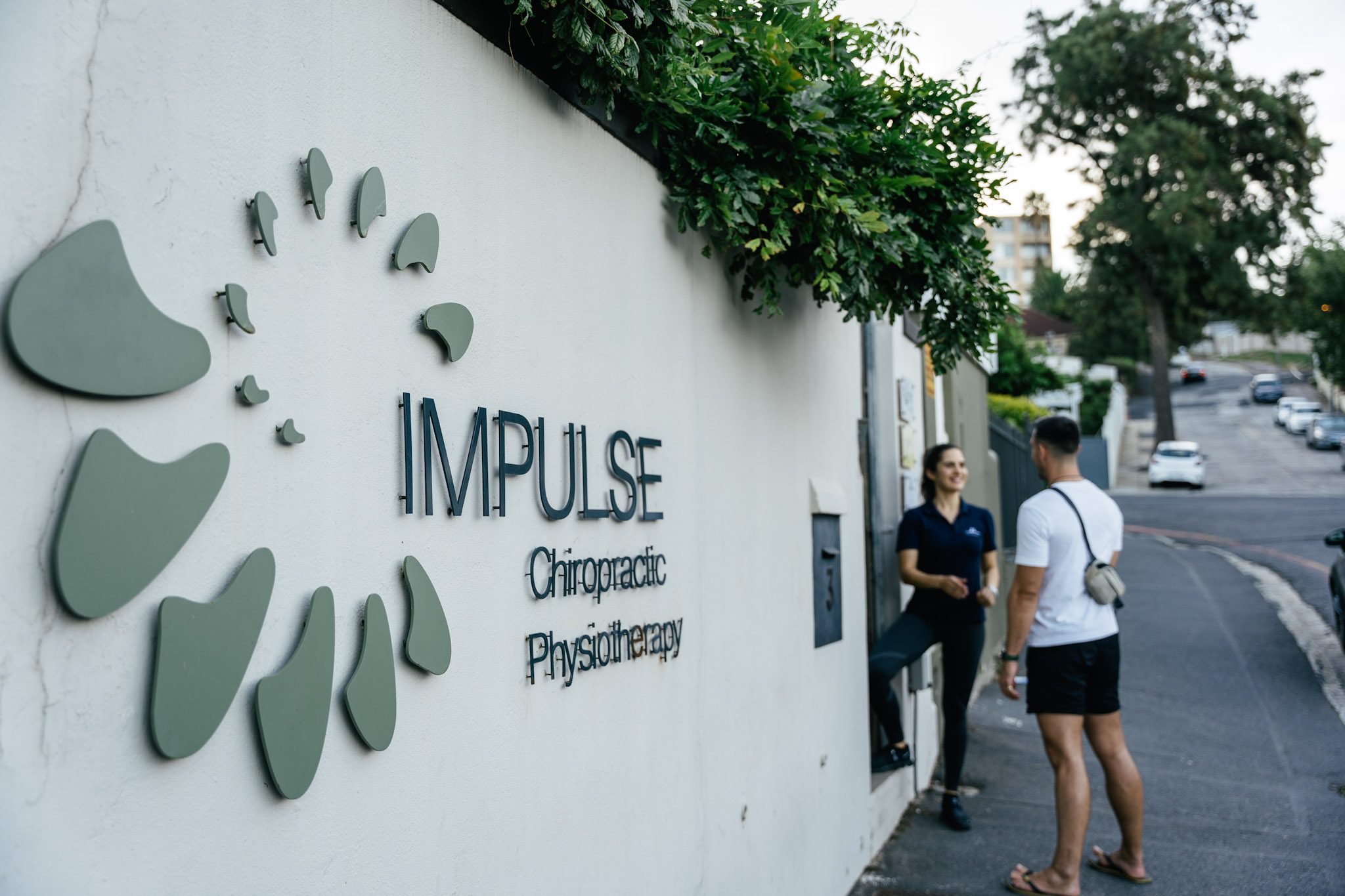
The practice is based within Impulse Chiropractic and Physiotherapy, in Gardens Cape Town.

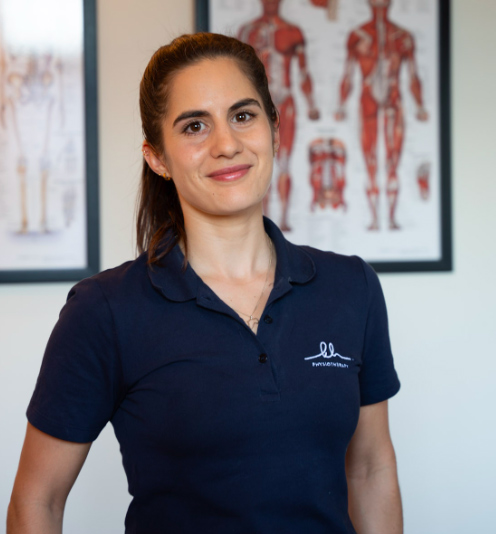
Kelly Haubrich

Kelly graduated from the University of Cape Town in 2014, and has continuously expanded her expertise through numerous post-graduate courses. These include Dry Needling (ODNS), Sports Physiotherapy (SPT1), and Orthopaedic Manipulative Therapy (OMT1). In January 2024, she launched her practice at Impulse Chiropractic and Physiotherapy, ready to apply her extensive knowledge and skills to benefit her patients. Kelly’s hobbies include Brazilian Jiu Jitsu and Muay thai.

Therefore she has a keen interest in optimising function and managing injuries related to martial arts.

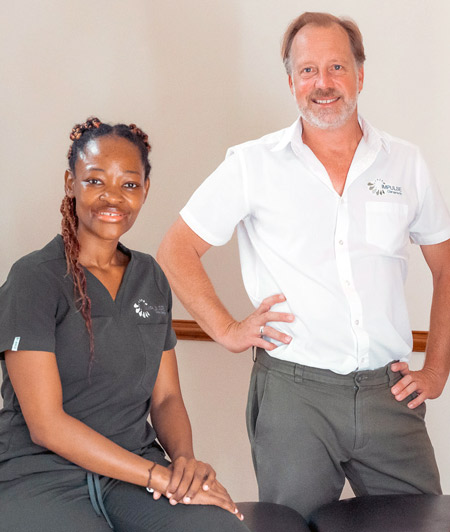
Impulse Chiropractic

Sven Pockrandt

With 23 years of experience, Dr. Sven Pockrandt brings a wealth of knowledge and expertise to his Chiropractic practice. Born in Windhoek and raised in Cape Town, he pursued his studies in England, gained valuable experience working in Australia and Germany, and opened his first clinic in 2009. His global experience in diverse clinical settings has equipped him with a versatile approach, blending treatment modalities to meet each patient’s unique needs. Dr Sven holds additional qualifications in Sacro Occipital Therapy (SOT), Applied Kinesiology (AK), and Dry Needling, further enhancing his ability to provide personalised care.

Noku Khalishwayo
Noku is a qualified massage therapist with more than 15 years of experience. She is committed to enhancing her patient’s well-being through compassionate and personalised care. Her treatments aim to relieve tension, restore balance and support overall health, whether for pain relief, injury recovery or deep relaxation. As part of the multi-disciplinary team, she prioritises collaboration to ensure a holistic, patient-centred approach to optimise care and promote lasting results.

Services

Physiotherapy

Physiotherapy involves assessing, diagnosing and treating conditions that affect physical function and mobility. It uses a combination of manual therapy techniques, electrotherapy, exercise and education to help individuals recover from injuries, manage chronic conditions, and improve overall health and well-being. Physiotherapists work closely with patients to develop personalised treatment plans tailored to their specific needs and goals, aiming to restore movement, reduce pain, and enhance quality of life.

Manual Therapy

Manual therapy aims to improve joint mobility, increase soft tissue flexibility, reduce pain and restore optimal function by targeting specific areas of the body affected by injury, stiffness or dysfunction. It includes various techniques, such as myofascial release (massage), trigger point release, joint mobilisation, joint manipulation and neural tissue mobilisation.

Exercise-based Rehabilitation

Exercise-based rehabilitation refers to the prescription of specific exercises aimed at restoring, improving, or maintaining physical function following injury, surgery, illness, or in the management of chronic conditions. Exercise programs are tailored to the specific needs and abilities of the individual. Exercises target various aspects such as strength, endurance, balance, flexibility and range of motion, with the goal of promoting recovery, reducing pain, preventing further injury, and enhancing overall well-being.

Shockwave Therapy

Shockwave therapy, also known as Extracorporeal Shockwave, is a non-invasive medical treatment that uses high-energy acoustic waves to stimulate healing and alleviate pain in various musculoskeletal conditions.

Shockwave is directed towards the affected or injured tissue, to trigger the body’s natural healing response by increasing blood flow to the area, promoting the formation of new blood vessels, and enhancing the production of collagen, which is essential for tissue repair. In addition, shockwave disrupts pain signals and stimulates the release of pain- relieving substances within the body. Shockwave can also be used to break down calcifications or excessive scar tissue.

Shockwave therapy is a useful modality in the treatment of conditions such as plantar fasciitis, tendinopathies (including achilles, patellar/jumpers knee, and rotator cuff), medial epicondylitis/ golfers elbow, lateral epicondylitis/ tennis elbow, and calcific tendinitis. A course of several sessions may be recommended for optimal results.

Dry needling

Dry needling is a therapeutic technique that aims to release muscle tension, alleviate pain, and improve range of motion. It involves the insertion of thin needles into specific trigger points, or tight bands of muscle, without injecting any medication (hence the term “dry” needling). The needle may elicit a “twitch response,” which is a brief involuntary contraction of the muscle, that facilitates muscle relaxation, enhances blood circulation, and triggers the body’s pain-relieving processes, thus promoting improved muscle function and pain relief.

Taping

Taping involves applying specialised adhesive tapes to the skin in specific patterns to provide support, stability, and pain relief to muscles, joints, and ligaments. Kinesiology tape (K-tape) is useful in stimulating proprioception (the body’s awareness of its position in space), which can help improve movement patterns and reduce the risk of injury. It also lifts the skin slightly, which can help improve circulation and reduce swelling. Rigid strapping provides firm support and stability to joints, similar to a brace. It restricts excessive movement to support injured tissue, or to reduce the risk of re-injury during sport activity.

Testimonials